
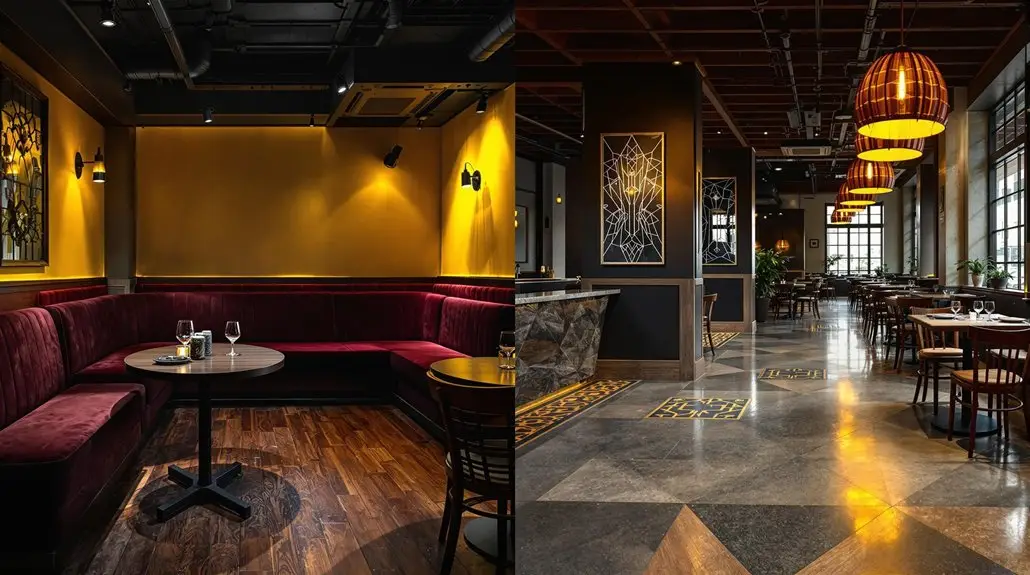
Restaurant remodeling can be a major investment, but for many restaurant owners, it can also become one of the most important decisions for long-term business growth. A well-planned remodel can improve guest experience, increase operational efficiency, strengthen brand perception, and help the restaurant compete more effectively.
Return on investment is not only measured by immediate revenue. Restaurant remodeling ROI can also appear through higher customer satisfaction, improved table turnover, better staff workflow, fewer maintenance issues, stronger online presence, and increased repeat visits.
What Restaurant Remodeling ROI Really Means
Restaurant remodeling ROI is the value your business receives from improving the physical space.v
This value may come from direct revenue growth, but it can also come from operational savings and better customer perception. A remodel that improves seating flow, kitchen efficiency, or guest comfort can create measurable benefits over time.
Restaurant owners should evaluate ROI based on:
- Revenue potential
- Average ticket size
- Customer retention
- Seating efficiency
- Staff productivity
- Maintenance reduction
- Brand perception
- Long-term property value
A remodel should be treated as a business strategy, not only a design expense.
Improving Customer Experience
Customer experience is one of the biggest factors behind restaurant remodeling ROI.
If the space feels outdated, uncomfortable, noisy, poorly lit, or difficult to navigate, customers may not stay as long or return as often. A remodel can help create a more inviting atmosphere that encourages guests to enjoy the space.
Comfort and Atmosphere
Comfortable seating, proper lighting, better acoustics, and improved temperature control can make a major difference in guest satisfaction.
Brand Perception
A refreshed restaurant interior can make the business feel more professional, current, and trustworthy. This is especially important in competitive dining markets.
Increasing Revenue Opportunities
A strategic remodel can support revenue growth in several ways.
Better layouts may allow more efficient seating without overcrowding. Improved bar areas can increase beverage sales. Upgraded patios or outdoor dining areas can expand capacity. Better lighting and design can encourage customers to share photos online, creating additional brand exposure.
Restaurant owners should identify which areas of the space have the most revenue potential before remodeling.
Improving Operational Efficiency
Not every ROI improvement is visible to customers.
Back-of-house efficiency can have a major impact on profitability. A restaurant remodel can improve kitchen workflow, storage, prep areas, service paths, dishwashing zones, and staff movement.
When employees can work more efficiently, service can improve and operational stress can decrease.
A profitable restaurant remodel should improve both the customer experience and the way your business operates behind the scenes.
Learn more about AH Construction’s restaurant remodeling services for San Diego restaurant owners.
Reducing Maintenance and Repair Costs
Older restaurant spaces often create hidden costs.
Outdated flooring, worn finishes, inefficient lighting, poor ventilation, plumbing issues, and damaged surfaces can lead to ongoing repairs. A remodel gives owners the opportunity to replace high-maintenance elements with more durable materials.
Durability matters because restaurants experience heavy daily use. Choosing the right materials can reduce long-term repair costs and help the space maintain a professional appearance.
Supporting Staff Retention and Performance
Restaurant employees are directly affected by the physical layout.
Poor kitchen flow, limited storage, uncomfortable service areas, and inefficient circulation can create unnecessary stress. A remodel that supports staff performance can improve morale, reduce friction, and help the team deliver better service.
This can indirectly improve guest experience and business performance.
When a Full Remodel Is Not Necessary
Not every restaurant needs a complete overhaul.
In some cases, a targeted remodel can produce a stronger ROI than a full renovation. Strategic improvements may include restroom upgrades, lighting improvements, bar renovation, patio upgrades, seating layout changes, flooring replacement, or kitchen workflow improvements.
The best approach depends on the condition of the space and the business goals.
Measuring ROI After the Remodel
Restaurant owners should track results after completing a remodel.
Useful metrics include:
- Sales volume
- Average ticket size
- Reservation volume
- Table turnover
- Online reviews
- Customer feedback
- Staff efficiency
- Maintenance expenses
- Repeat customer activity
Tracking these numbers helps determine whether the remodel is supporting the intended business outcome.
Considering a restaurant remodel in San Diego?
AH Construction helps restaurant owners plan remodeling projects that improve guest experience, operational flow, durability, and long-term business value.
Contact our team today to discuss your restaurant remodeling goals.