
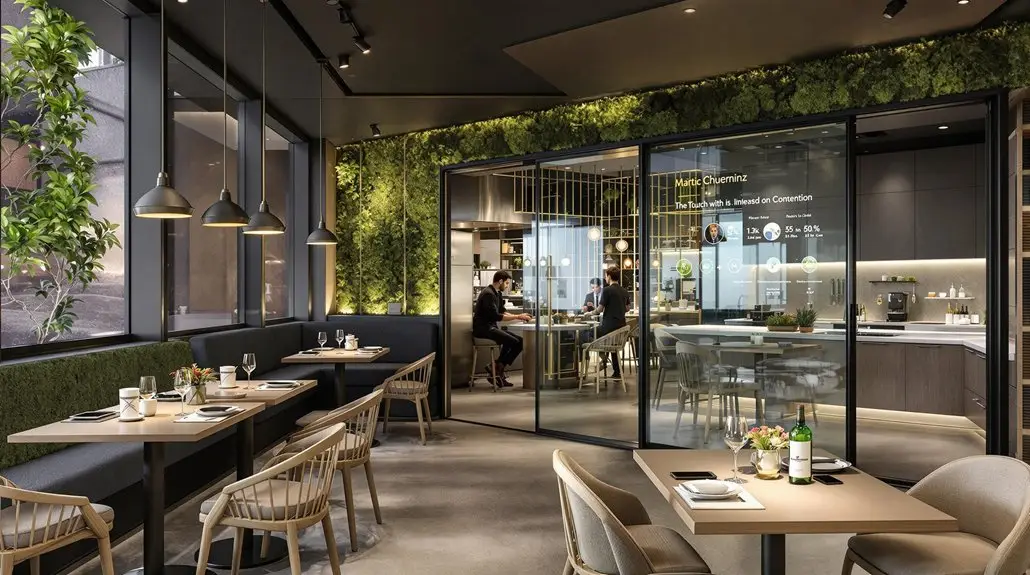
Restaurant interior design plays a major role in how customers feel, how long they stay, what they order, and whether they return. In 2025, successful restaurant spaces are being designed around comfort, efficiency, brand identity, and shareable guest experiences.
For restaurant owners in San Diego, interior design is more than decoration. A strategic remodel can improve dining flow, increase seating efficiency, support staff productivity, and create an atmosphere that helps the restaurant stand out in a competitive market.
Experience-Driven Restaurant Design
Modern restaurant customers expect more than good food. They want an experience.
Interior design should support the restaurant’s concept, menu, price point, and target customer. A casual breakfast café, upscale dinner restaurant, quick-service location, and coastal hospitality concept all require different design decisions.
Strong restaurant interiors usually combine:
- Comfortable seating
- Clear circulation paths
- Brand-aligned finishes
- Warm lighting
- Durable materials
- Efficient service flow
- Memorable design moments
The goal is to create a space that feels intentional, not generic.
Flexible Dining Layouts
Flexibility is one of the most important restaurant design trends.
Restaurants need layouts that can adapt to different party sizes, private events, busy service periods, and seasonal demand. Fixed layouts can limit revenue potential, while flexible seating helps operators adjust more easily.
Banquettes and Modular Seating
Banquettes, movable tables, and modular seating can help maximize space without making the restaurant feel crowded. These options allow owners to serve couples, families, and groups more efficiently.
Better Circulation for Staff and Guests
A beautiful restaurant can still perform poorly if servers struggle to move through the space. Remodel planning should protect clear paths between the kitchen, dining room, bar, restrooms, host stand, and service areas.
Warm Lighting and Atmosphere
Lighting is one of the most powerful design tools in restaurant remodeling.
Bright lighting may work for fast-casual or lunch-focused concepts, while softer lighting can create a more intimate dinner atmosphere. Layered lighting allows restaurants to adjust the mood throughout the day.
Lighting should support food presentation, table comfort, photography, and safe movement throughout the restaurant.
Brand-Aligned Materials and Finishes
Restaurant interiors should communicate the brand immediately.
Materials such as wood, tile, stone, metal, glass, and upholstery should be selected based on the restaurant’s identity and level of use. Finishes must look good but also withstand heavy traffic, cleaning, spills, and daily wear.
A restaurant remodel should avoid overly delicate materials in high-impact areas. Durability is part of good design.
A successful restaurant remodel should improve more than appearance. It should support guest experience, staff workflow, durability, and long-term business performance.
Learn more about AH Construction’s restaurant remodeling services for San Diego hospitality spaces.
Open Kitchens and Visual Transparency
Many restaurants are using open kitchen elements, chef counters, or partial visibility into food preparation areas.
This can create energy, transparency, and a stronger connection between the guest and the culinary experience. However, open kitchen design must be planned carefully. Ventilation, noise, lighting, cleanliness, and guest sightlines all need professional coordination.
Technology-Integrated Dining Spaces
Restaurant technology is becoming more integrated into interior design.
This may include digital menus, ordering systems, reservation screens, POS stations, pickup shelves, mobile payment areas, and sound systems. These tools should not feel added as an afterthought. They should be incorporated into the design in a clean, organized way.
Pickup and To-Go Areas
Restaurants with takeout or delivery demand should plan dedicated pickup areas. A clear pickup zone can reduce congestion at the host stand and improve the experience for both dine-in guests and delivery drivers.
Outdoor and Indoor-Outdoor Dining
San Diego’s climate makes outdoor dining especially valuable.
Restaurants can benefit from patios, operable windows, covered dining zones, heaters, shade structures, and indoor-outdoor transitions. These areas can expand usable seating and create a more desirable dining experience.
Outdoor dining design should account for weather, comfort, acoustics, lighting, accessibility, and local permitting requirements.
Photo-Friendly Design Moments
Visual design matters because customers often share their dining experiences online.
Accent walls, lighting features, custom bars, unique tile, branded signage, and well-designed entry moments can help make a restaurant more memorable. These elements should feel authentic to the brand rather than forced.
Planning a restaurant remodel in San Diego?
AH Construction helps restaurant owners create functional, durable, and brand-focused spaces that improve guest experience and support business growth.
Contact our team today to discuss your restaurant remodeling project.