
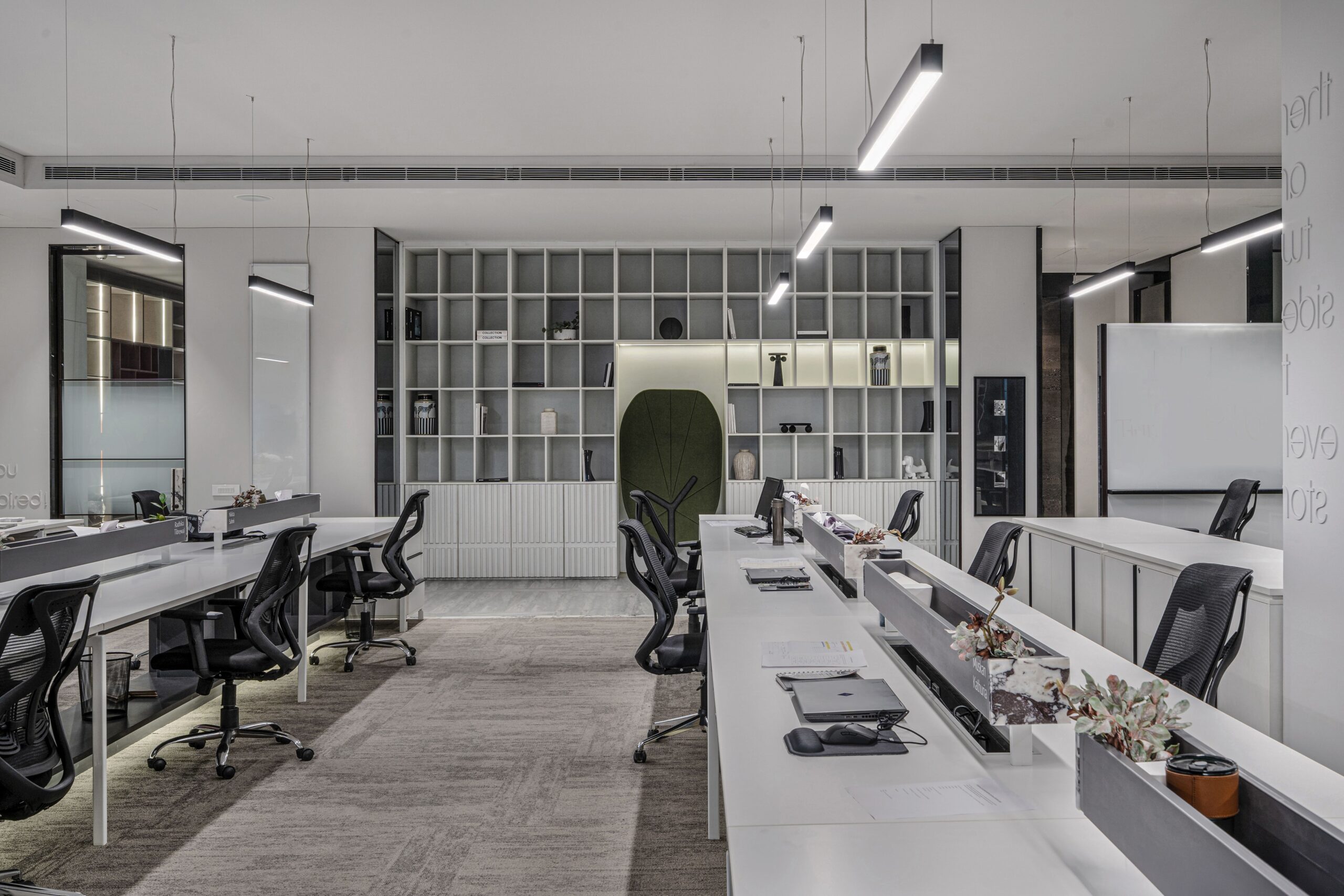
Office tenant improvements can make a major difference in how a business operates every day. For companies in San Diego, a well-planned office renovation can improve workflow, support employees, create a stronger first impression for clients, and help the space better match the way the business actually works.
Whether a company is moving into a new commercial suite, expanding into a larger office, or updating an outdated workspace, tenant improvements should be planned carefully. The goal is not only to make the office look better. The goal is to create a space that functions better, supports productivity, and can adapt as the business grows.
AH Construction helps business owners, tenants, landlords, and property managers throughout San Diego County plan and complete office tenant improvement projects with clear communication, organized scheduling, and reliable construction management.
What Are Office Tenant Improvements?
Office tenant improvements are changes made to a commercial office space so the property better fits the needs of the tenant or business using it. These improvements can range from light interior upgrades to full office build-outs.
Common office tenant improvement work may include layout changes, new private offices, conference rooms, reception areas, break rooms, flooring, lighting, electrical upgrades, HVAC coordination, restroom updates, wall systems, doors, finishes, and technology infrastructure.
In many cases, an existing office space was designed for a previous tenant. That means the layout, finishes, and work areas may not match the needs of the new business. Tenant improvements help transform the space into a more functional and professional environment.
For San Diego businesses, this can be especially important in competitive industries where office presentation, employee experience, and client confidence all matter.
Why Office Layout Matters
A poor office layout can create daily inefficiencies. Employees may not have enough privacy, departments may be separated in ways that slow communication, meeting rooms may be too small, or the reception area may not reflect the company’s brand.
A better office layout can improve movement, communication, and productivity. For example, private offices can be placed where focused work is needed, open work areas can support collaboration, conference rooms can be positioned for easier client access, and storage areas can be planned to reduce clutter.
Before starting an office tenant improvement project, it is important to identify how the business currently uses the space and where the existing layout creates problems.
Questions to Review Before Starting
- What areas feel overcrowded?
- Which teams need to work near each other?
- Are there enough private meeting spaces?
- Does the reception area create a strong first impression?
- Are storage, copy, and support areas placed efficiently?
- Does the current layout support future growth?
Answering these questions early helps create a more practical plan and reduces the chance of expensive changes during construction.
Common Office Tenant Improvement Projects
Office tenant improvements can vary depending on the size of the space, the lease requirements, the condition of the property, and the goals of the business.
Office Reconfiguration
Office reconfiguration focuses on improving the layout of the existing space. This may involve removing or adding walls, adjusting work areas, creating new circulation paths, or reorganizing departments.
This type of improvement is useful when a company has outgrown its current layout or wants to create a more efficient work environment without moving to a new property.
Conference Room Construction
Conference rooms are essential for meetings, client presentations, team planning, and video calls. A tenant improvement project may include building new conference rooms, expanding existing ones, improving acoustics, adding better lighting, or preparing the room for audiovisual systems.
A professional conference room should feel comfortable, private, and appropriate for both internal meetings and client-facing presentations.
Reception Area Improvements
The reception area is often the first physical impression a client, vendor, or visitor has of a company. An outdated or poorly arranged reception area can make the business feel less professional.
Reception improvements may include new finishes, lighting, flooring, millwork, signage coordination, seating areas, and better traffic flow. For professional service companies, medical offices, real estate offices, and corporate tenants, this area should be treated as a business development asset.
Break Room and Employee Areas
Employee areas are no longer just basic support spaces. A well-planned break room can help improve employee satisfaction and create a more comfortable workplace.
Tenant improvements may include upgraded cabinetry, countertops, appliances, seating, lighting, and better access to shared areas. These improvements can be especially valuable for companies trying to retain staff and create a stronger workplace culture.
Lighting and Electrical Upgrades
Lighting has a direct impact on how a workspace feels and functions. Poor lighting can make an office feel outdated, uncomfortable, or inefficient.
Office tenant improvements may include updated LED lighting, task lighting, conference room lighting, occupancy sensors, electrical outlets, data cabling coordination, and power access for workstations.
Better lighting can improve comfort, reduce energy use, and create a more polished commercial environment.
Flooring and Finish Updates
Flooring, paint, wall finishes, ceilings, doors, and trim all affect the overall appearance of an office. If these finishes are worn, outdated, or inconsistent, the space can feel neglected even if the business itself is strong.
Updated finishes can help align the physical office with the company’s brand and create a cleaner, more professional environment for employees and visitors.
Planning Around Business Operations
One of the most important parts of office tenant improvements is minimizing disruption. Many businesses cannot afford to shut down completely during construction, so the project must be carefully phased or scheduled.
Depending on the scope, work may need to happen after business hours, in phases, or within specific areas while other parts of the office remain active.
Questions to Review During Planning
- Which areas must remain operational?
- Can employees work remotely during certain phases?
- Are there sensitive operations that cannot be interrupted?
- Will clients visit during construction?
- Are there building rules for noise, deliveries, elevators, or work hours?
Clear planning helps reduce operational problems and keeps the project moving more smoothly.
Permits, Building Rules, and Code Requirements
Office tenant improvements may involve permits, inspections, accessibility requirements, fire safety rules, electrical standards, mechanical coordination, and building management approval.
In San Diego, commercial office improvements should be reviewed carefully before construction begins. Even projects that seem simple can require coordination depending on the building, the scope of work, and the systems affected.
Working with an experienced commercial contractor helps identify these requirements early. This reduces the risk of delays, failed inspections, or unexpected changes after the project has already started.
Budget Planning for Office Tenant Improvements
A strong budget starts with a clear scope of work. Without a defined scope, it is difficult to control costs or compare contractor proposals accurately.
Business owners and property managers should identify their must-have improvements, optional upgrades, desired finishes, timeline expectations, and any known site limitations.
Budget factors may include demolition, framing, drywall, doors, glass, flooring, lighting, electrical work, HVAC coordination, plumbing, finishes, permits, inspections, and project management.
A realistic budget should also allow for existing conditions that may not be visible until work begins. Older office spaces may have hidden issues behind walls, above ceilings, or below flooring.
Good planning does not eliminate every surprise, but it does reduce avoidable problems.
How to Choose the Right Office Tenant Improvement Contractor
Office tenant improvements require more than basic construction work. They require coordination between the tenant, landlord, property manager, design team, vendors, inspectors, and building operations.
The right contractor should understand commercial spaces, scheduling limitations, communication expectations, and the importance of keeping the business operational whenever possible.
What to Look for in a Commercial Contractor
- Review the project scope clearly
- Communicate with property managers
- Coordinate commercial trades
- Understand tenant improvement requirements
- Help manage schedule expectations
- Work around business operations
- Maintain a clean and organized job site
- Deliver a professional finished result
For business owners, the right contractor can make the difference between a stressful renovation and a controlled, well-managed project.
When Should a Business Consider Office Tenant Improvements?
A company should consider office tenant improvements when the current space no longer supports daily operations, employee needs, client expectations, or future growth.
Common signs include overcrowded work areas, outdated finishes, poor lighting, not enough meeting rooms, inefficient layouts, lack of privacy, worn flooring, weak reception areas, or spaces that no longer match the company’s brand.
Tenant improvements are also important when moving into a new office suite. Instead of adapting the business to an existing layout, the space can be modified to better support how the company works from the beginning.
Need Office Tenant Improvements in San Diego?
AH Construction provides office tenant improvement services for businesses, tenants, landlords, and property managers throughout San Diego County.
Our team helps clients plan and complete office renovations, commercial interior upgrades, workspace improvements, and tenant build-outs with a focus on communication, quality, and efficient project execution.
If your office space feels outdated, inefficient, or no longer aligned with your business needs, now may be the right time to plan a more functional and professional workspace.
Contact AH Construction today to discuss your office tenant improvement project and request a free estimate.