

Restaurant remodeling in San Diego County requires careful planning. The space must look appealing to guests, support efficient daily operations, comply with building requirements, and hold up to heavy use. A successful remodel is not only about creating a more attractive dining room; it is about improving how the restaurant performs.
Whether you operate a full-service restaurant, café, bar, quick-service concept, or hospitality dining space, the right remodeling strategy can improve customer experience, staff workflow, and long-term business value.
Start With a Clear Remodeling Goal

Before starting construction, define what the remodel needs to accomplish.
Some restaurants need a refreshed dining room. Others need a better kitchen layout, improved restrooms, outdoor dining upgrades, new flooring, bar improvements, or a complete brand repositioning.
Clear goals help determine scope, budget, timeline, and priorities.
Common goals include:
- Increasing seating efficiency
- Improving customer comfort
- Updating outdated finishes
- Expanding outdoor dining
- Improving kitchen workflow
- Reducing maintenance issues
- Strengthening brand identity
Understand Local Permit Requirements
Restaurant projects can involve permitting, inspections, accessibility requirements, fire safety, health department coordination, and mechanical systems.
San Diego County restaurant owners should plan for these requirements early. Waiting until construction begins can create delays and unexpected costs.
A restaurant remodel may involve:
- Electrical upgrades
- Plumbing changes
- Grease management
- Ventilation
- Fire safety systems
- ADA accessibility
- Restroom improvements
- Structural changes
A qualified contractor can help identify what must be reviewed before work begins.
Prioritize Kitchen and Service Flow
A restaurant’s kitchen and service flow directly affect speed, quality, and staff performance.
Even a beautiful dining room can struggle if the kitchen layout is inefficient. During remodeling, owners should evaluate how food moves from storage to prep, cooking, plating, service, dishwashing, and waste handling.
Improve Staff Movement
Service paths should reduce unnecessary steps and avoid bottlenecks between servers, kitchen staff, hosts, and guests.
Plan Storage Correctly
Storage is often overlooked. Better dry storage, cold storage, smallwares storage, and cleaning supply areas can improve daily operations.
Design for Guest Comfort
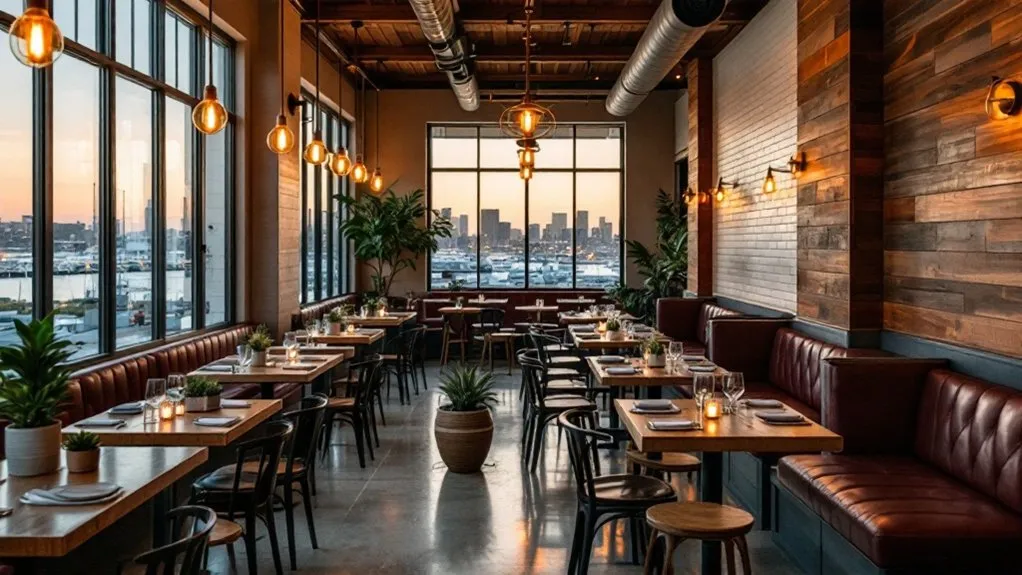
Guest comfort is one of the most important parts of restaurant remodeling.
Seating should feel comfortable without reducing capacity too much. Lighting should support the restaurant’s atmosphere. Acoustics should control noise. HVAC should keep the dining area comfortable during busy service periods.
A remodel should improve how customers feel from the moment they enter until they leave.
A strong restaurant remodel balances design, code compliance, durability, and daily operations.
Learn more about AH Construction’s restaurant remodeling services for San Diego County businesses.
Use Durable Materials
Restaurants experience heavy traffic, spills, heat, moisture, cleaning chemicals, and constant use.
Material selection should balance design and durability. Flooring, wall finishes, countertops, seating, restroom materials, and millwork should be selected based on maintenance needs and long-term performance.
Choosing fragile materials can make the space look worn too quickly.
Improve Restrooms and Customer Touchpoints
Restrooms are a key part of the guest experience.
Even if the dining room looks updated, outdated restrooms can negatively affect customer perception. Restaurant remodels should evaluate restroom finishes, lighting, fixtures, accessibility, ventilation, and cleanliness.
Customer touchpoints also include the entry, host stand, waiting area, bar, pickup area, and outdoor dining zone.
Plan Outdoor Dining Strategically
Outdoor dining is especially valuable in San Diego County.
Restaurants can improve guest experience and revenue potential with patios, shade structures, heaters, lighting, wind protection, and comfortable seating. However, outdoor dining should be planned with safety, accessibility, durability, and local requirements in mind.
Minimize Downtime During Construction
Restaurant downtime can be expensive.
Before remodeling begins, owners should discuss phasing, temporary closures, off-hour work, material lead times, and construction sequencing. A good plan can reduce disruption and help the restaurant reopen faster.
Planning a restaurant remodel in San Diego County?
AH Construction helps restaurant owners improve dining spaces, kitchens, service flow, and customer experience with professional remodeling solutions.
Contact our team today to start planning your project.